Introducing Nocturne's 2027 Curator, Katie Lawson

by Signy Holm
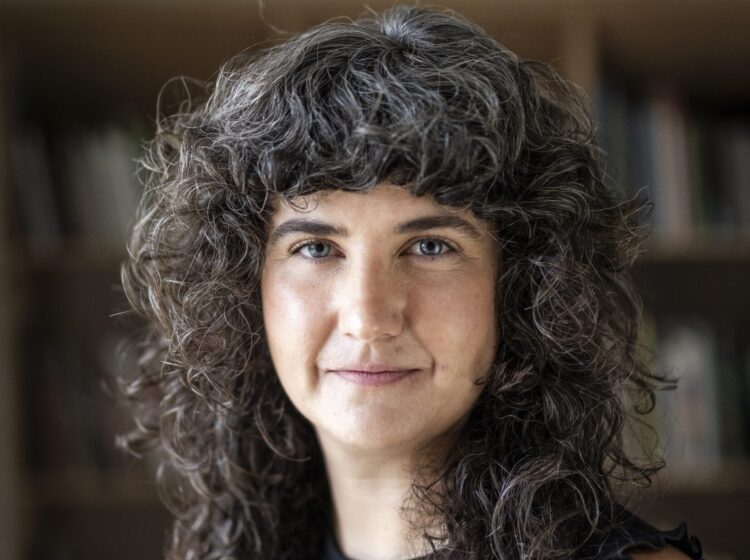
We are delighted to introduce Katie Lawson as Curator of Nocturne’s 2027 festival, marking our 20th anniversary and taking place October 14–17, 2027.
As we celebrate twenty years of Nocturne transforming the city through art, we invite you to learn more about Katie and her curatorial theme, Cycles. The accompanying reading list offers a starting point for exploring the ideas behind the theme and engaging with the questions that will shape the 2027 festival.
Nocturne's annual call for Beacon Projects will be open from January 11 - March 5, 2027, with our call for Community Groups & Galleries opening in early Spring 2027.
Learn more about the 2027 festival with Katie's curatorial statement, Nocturne reading list, and bio below:
Nocturne 2027: 'Cycles', curated by Katie Lawson
-
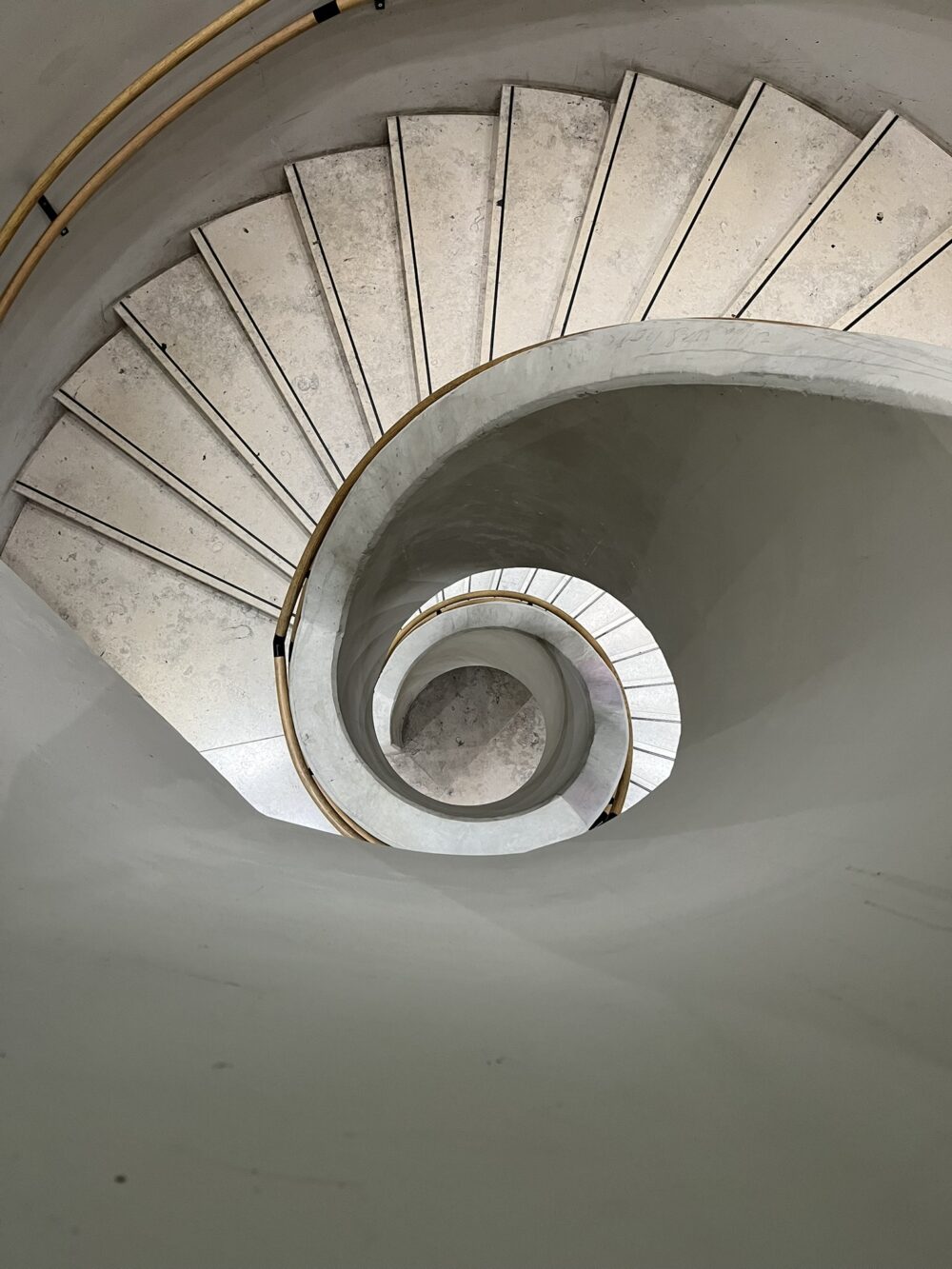
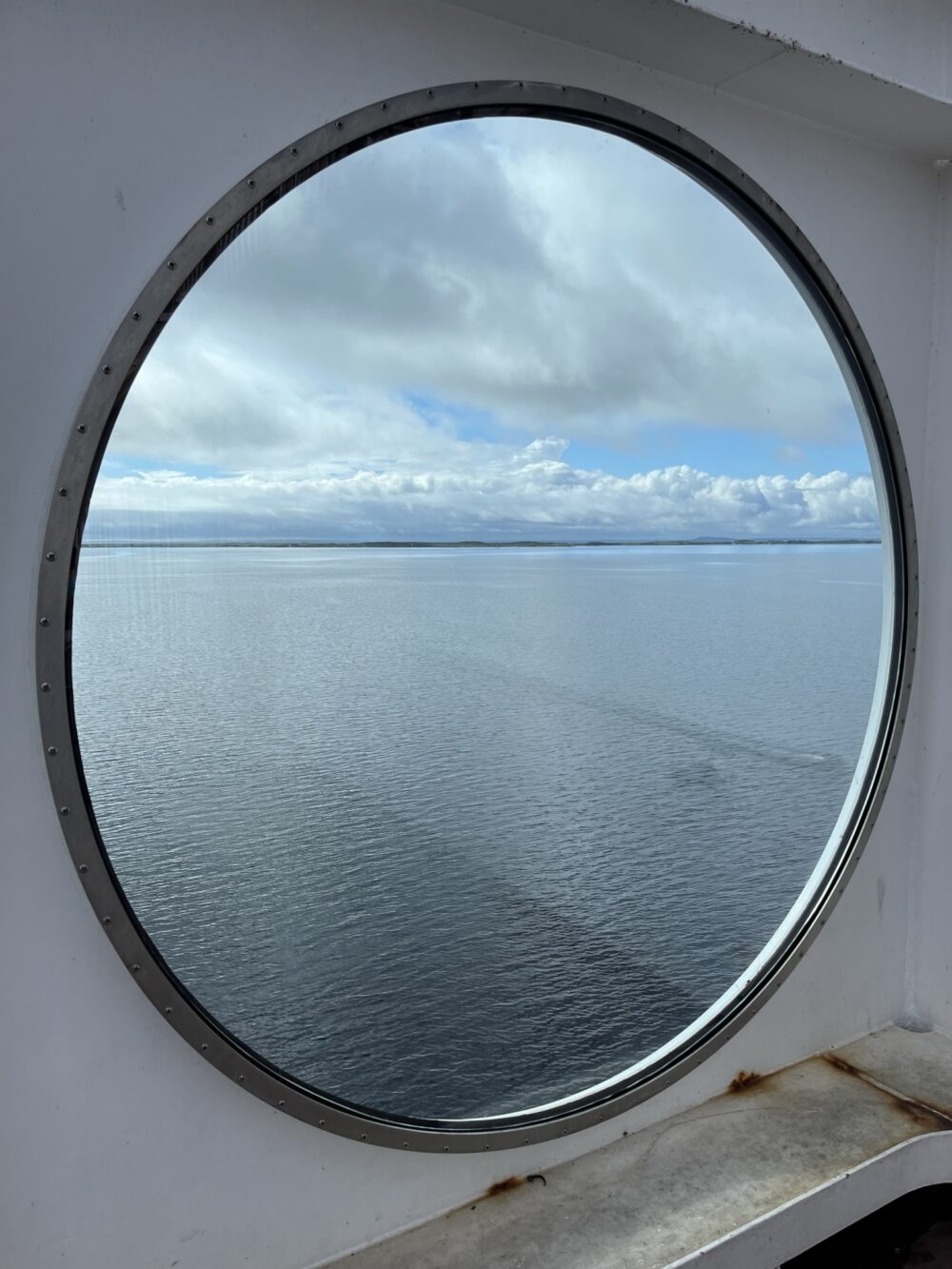
Halifax is a city shaped by cycles. Water moves around and within the peninsula, carried by tides, rain, rivers, fog, and the Atlantic. Seasons alter the harbour, the weather, the vegetation, and the ways both human and more-than-human life move through the city. Each autumn, as the days grow shorter, Nocturne returns to transform the city after dark. For twenty years, this annual return has created its own rhythm: one night in which familiar places become strange, and the city is experienced through art. Cycles extends this idea of return outward, toward the larger systems in which Halifax is situated.
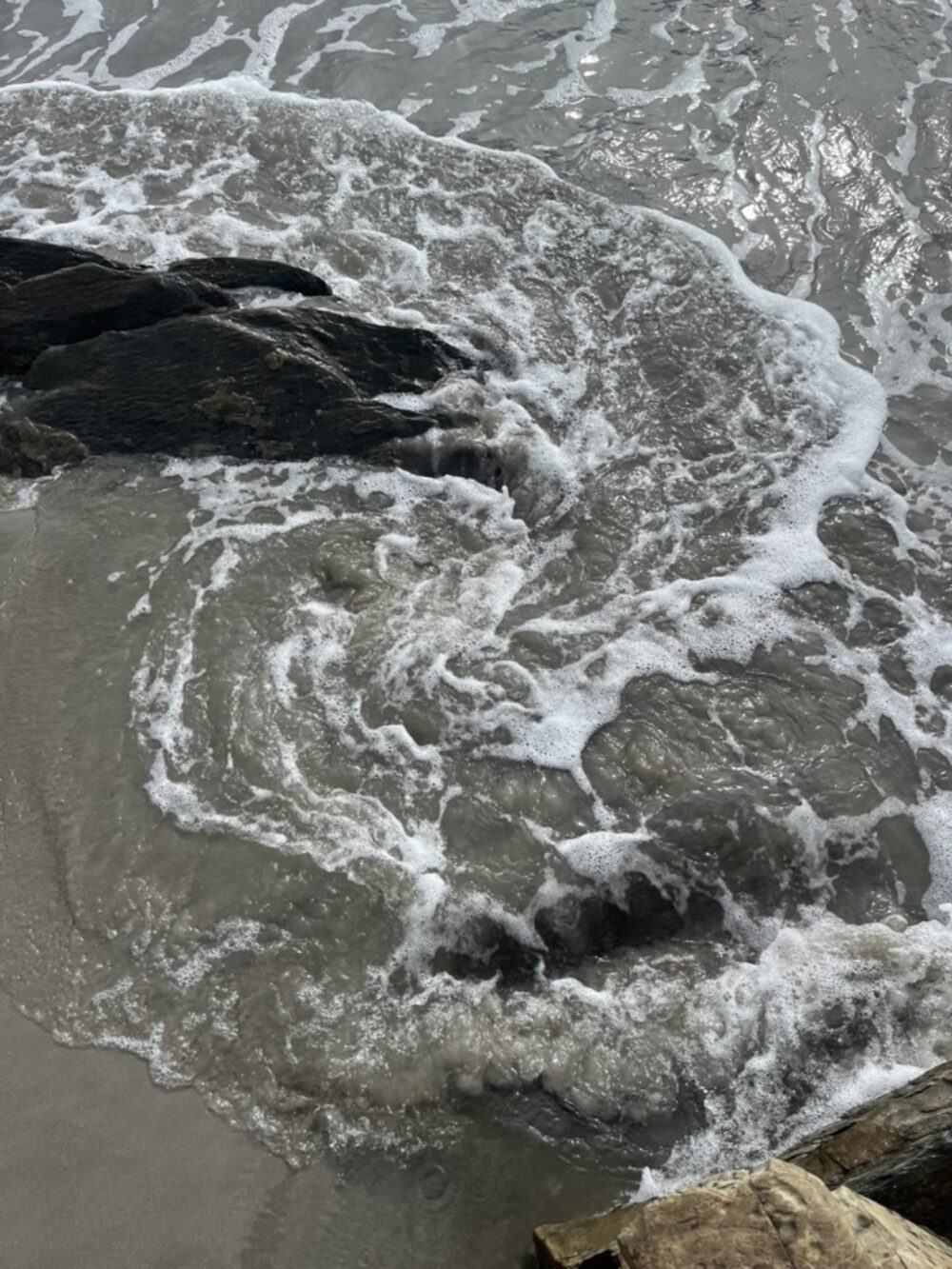
Cycles mark the passage of each day, the turning of a season, the unfolding of a year, but cycles also describe the movement of water—from cloud to rain, from rain to stream, from stream to harbour, and from harbour to ocean and back again. In a port city, water is never simply around us: it moves through us. It connects bodies and shorelines, weather and tides, human and more-than-human life. It carries nutrients, pollutants, and stories across distances, reminding us that what happens in one place is never entirely contained there.
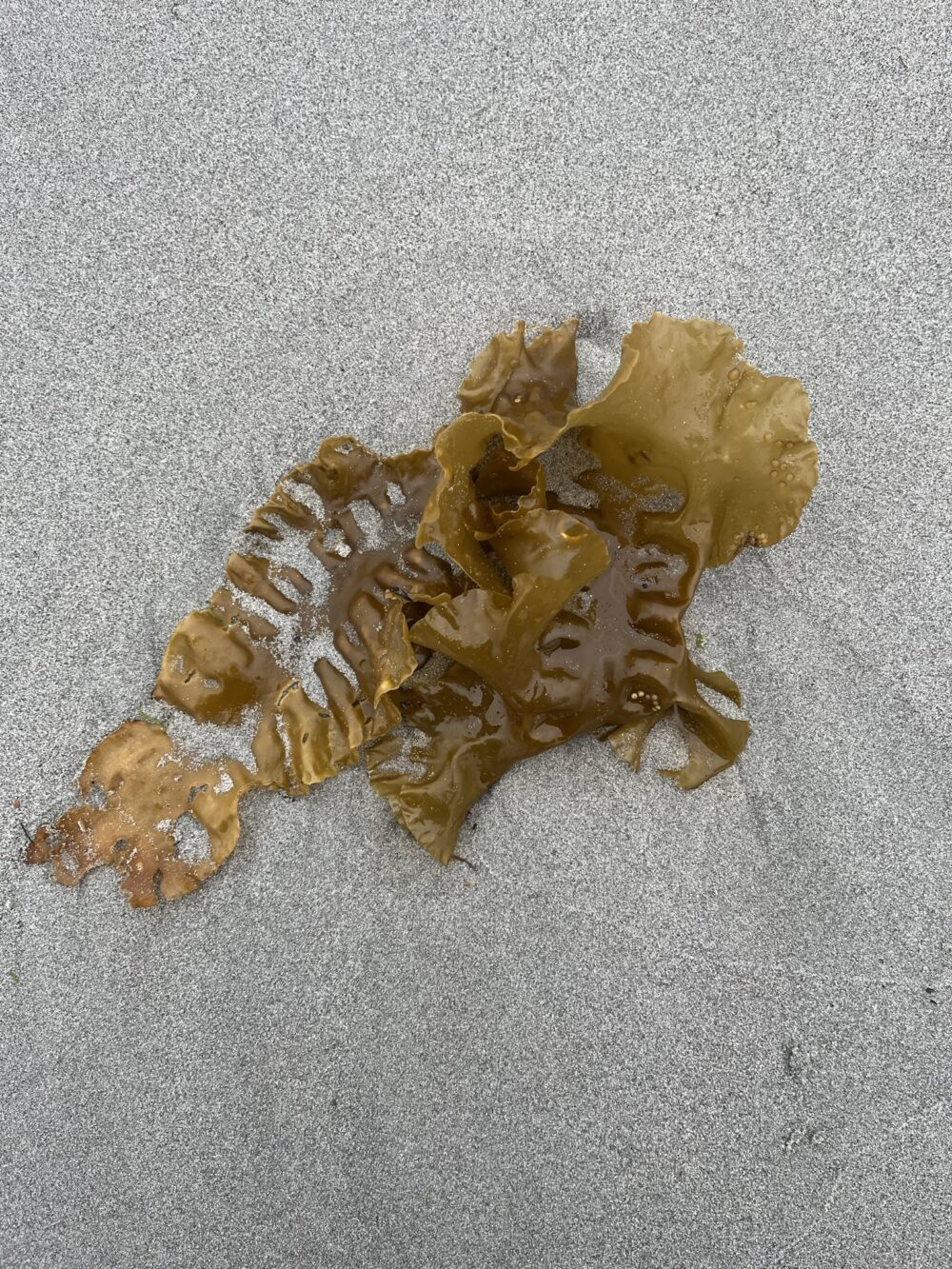
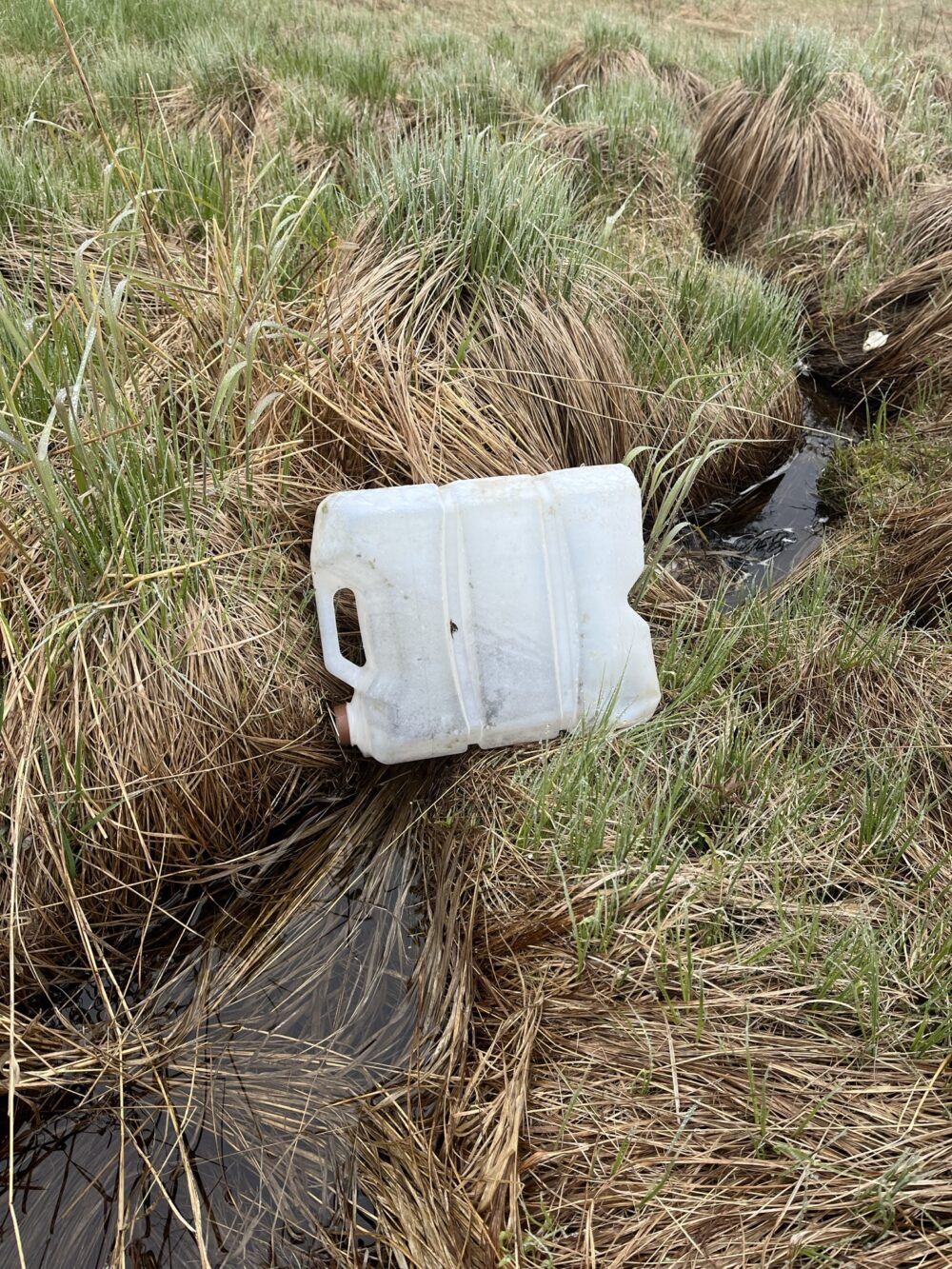
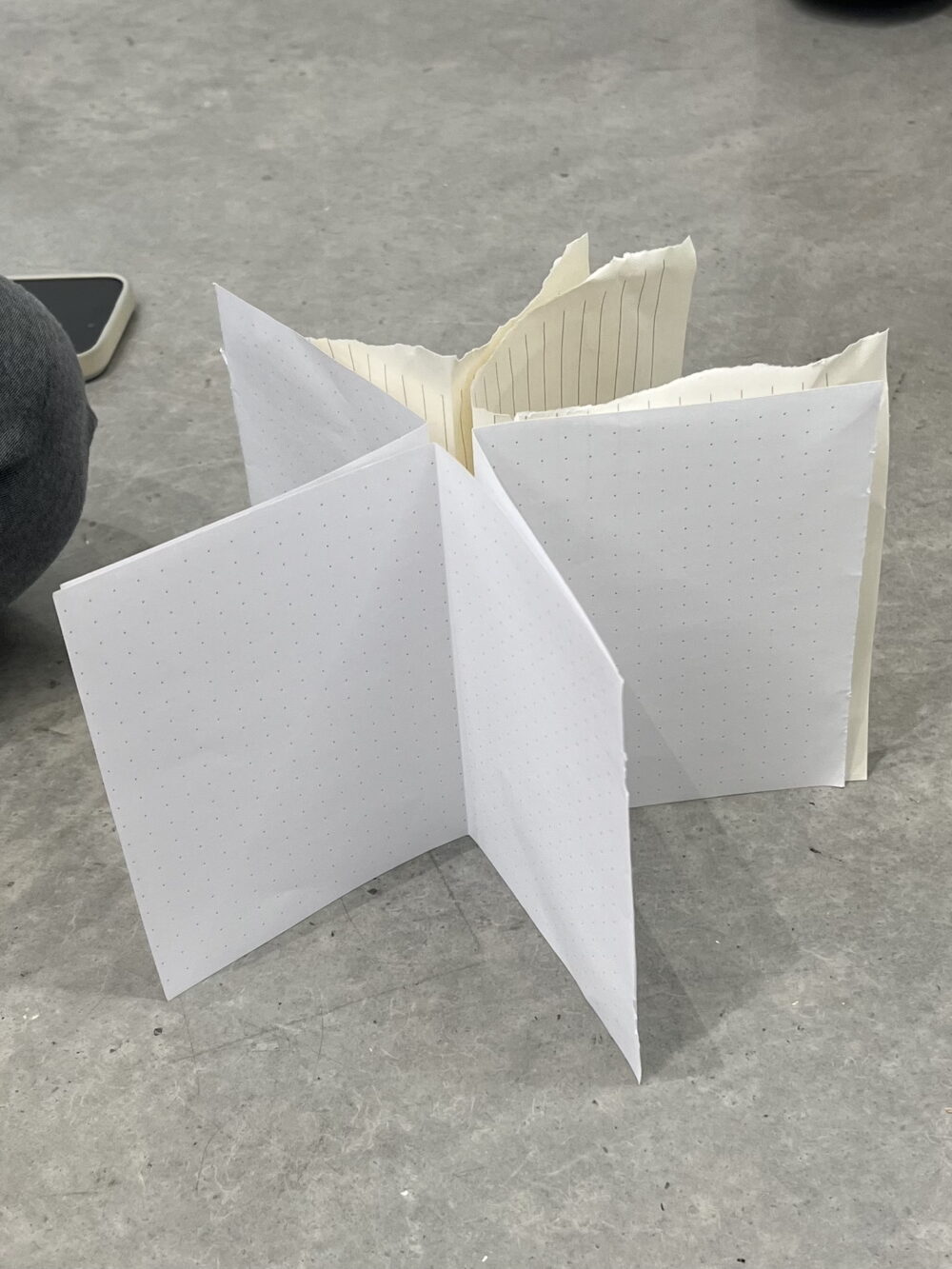
Cycles also trace the movement of matter itself. Carbon passes between atmosphere, soil, ocean, plants, animals, and the built environments we create. Materials are extracted, processed, circulated, consumed, broken down, discarded, recovered, and made into something else. In the context of a festival, this raises questions: What does it mean to make art for a temporary event, and how might that ephemerality become a resource rather than a problem to overcome? Can materials be reclaimed, reused, altered, or allowed to return to other cycles rather than becoming waste? As the conditions of climate change continue to escalate, these are not simply questions of efficiency, but invitations to imagine different relationships to making, using, and letting go.
To think in cycles is to look for the relationships, repetitions, ruptures, and transformations that connect us to this place and to one another. A cycle can return us to familiar ground while revealing that we have never quite returned to the same place twice. As Nocturne marks its twentieth anniversary, Cycles invites us to look at Halifax through these overlapping rhythms: tidal and seasonal, biological and material, human and planetary, ephemeral and enduring. For one night, the city leans into cycles of transformation once again.
-
Books:
Theory of Water: Nishnaabe Maps to the Times Ahead, Leanne Betasamosake Simpson, 2025
Water, Kinship, Belief (Eds.) Candice Hopkins, Katie Lawson, and Tairone Bastien, 2022
The Lure of the Local: Senses of Place in a Multicentered Society, Lucy Lippard, 1997
Reciprocal Landscapes: Stories of Material Movement, Jane Mah Hutton, 2019
Discard Studies: Wasting, Systems, Power, Max Liboiron and Josh Lepawsky, 2022
Timefulness: How Thinking Like a Geologist Can Help Save the World, Marcia Bjornerud, 2018
Documents:
“A Public (Art) Notice,” Centre for Sustainable Curating and the Synthetic Collective, 2023
-
Katie Lawson is a curator and writer based in Toronto. She has curated exhibitions for a wide range of Canadian institutions, including the Toronto Biennial of Art, regional galleries, municipalities, and artist-run centres. In 2023, Lawson was awarded the Hnatyshyn Foundation Fogo Island Arts Young Curator Residency. She has also participated in residencies at Est-Nord-Est, Atelier LUMA, No. 9 Gardens, and Joya Arte + Ecologia.
Katie is currently a SSHRC funded PhD candidate in Art and Visual Culture at Western University, where she works with the Centre for Sustainable Curating. She has lectured at universities and art organizations in Canada, Mexico, Australia, Spain, and Sweden. She is a graduate of the Master of Visual Studies Curatorial program at the University of Toronto, where she previously completed her Master of Arts in Art History.
She contributes to a range of print and online publications. She has recently written for Esse, BlackFlash, Momus, and CBC Arts. She was the Editorial Lead for the Toronto Biennial's double catalogue Water, Kinship, Belief (2022) and previously served as the Art Editor for the Hart House Review (2016-2019).
The various aspects of her practice always inform one another, whether she is working towards an exhibition, publication, series of programming, or editorial framework. Dominated by place-based engagements with climate change, her work draws on significant experience working closely with artists to commission site-specific artworks. Regardless of the context, she works collaboratively with artists and is interested in facilitating the production of new work through a deep engagement with environmental change, prioritizing novel approaches to working with salvaged materials, ready-made forms, ephemerality and decay or socially and community-engaged practices.
Nocturne: Cycles
Images courtesy of Katie Lawson